
What Is an AEO Certificate and How Can It Help Indian Exporters Grow?
Are you exporting from India and tired of customs delays, surprise checks, and rising logistics costs? Then you should know about the aeo certificate, also called Authorized Economic Operator status. This single certification can make your global trade smoother, faster, and more trusted.
In simple terms, an AEO certificate tells customs that your company is a safe, reliable, and compliant trader. As a reward, you get priority treatment at borders, fewer inspections, and quicker clearance. For Indian exporters competing with global players, this can be a real game changer.
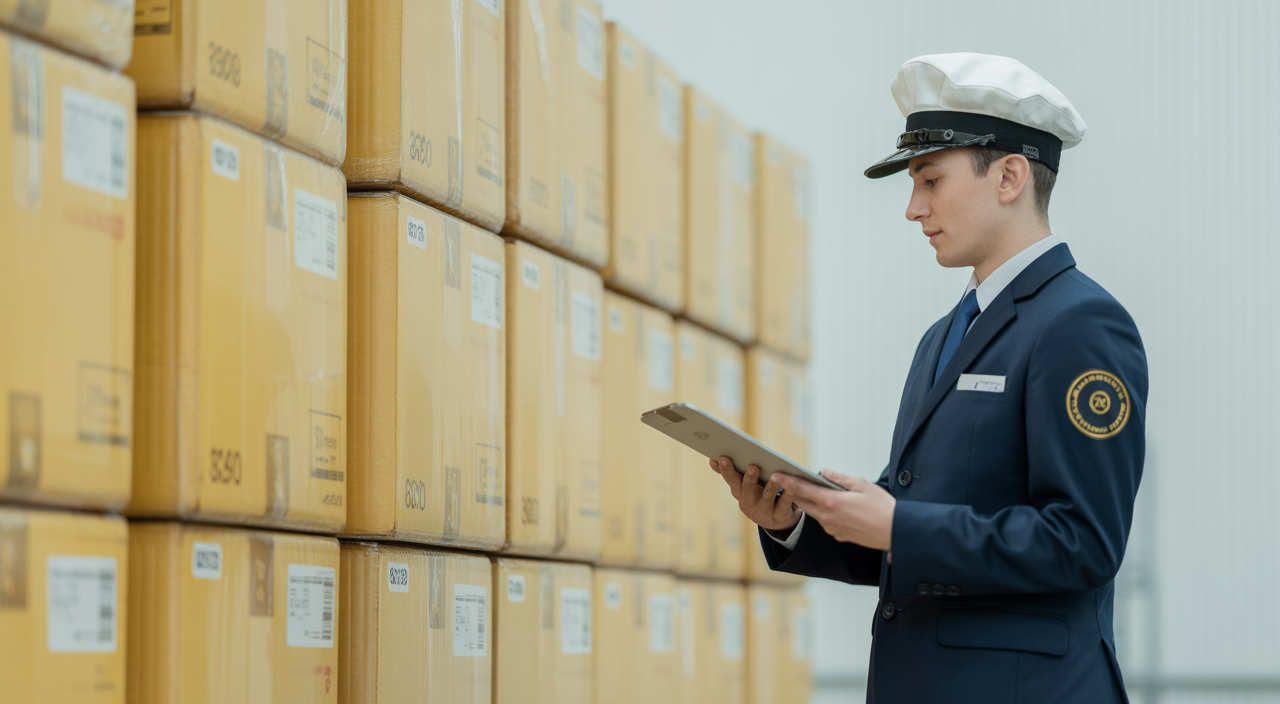
This guide explains what the AEO program is, why it matters for Indian businesses, the main benefits, and the step-by-step application roadmap. By the end, you will know whether your company should go for it and how to get started with confidence.
What Is an AEO Certificate?
The AEO concept was developed by the World Customs Organization as part of a global customs security program. The idea is simple. If a business proves it follows strong security and compliance standards, customs authorities treat it as a “trusted trader.”
An AEO certificate is the official recognition of this trusted trader status. It confirms that your company has reliable systems for customs compliance, record keeping, financial solvency, and supply chain security.
Different regions have their own AEO programs. For example, the European Union, the United Kingdom, and many Asian countries run similar schemes under the same global framework. The basic goal is always the same: secure and simplify cross-border trade.
Why AEO Status Matters for Indian Exporters
Indian exporters and importers often face challenges like long dwell time at ports, frequent document checks, and uncertainty in delivery timelines. This affects reputation with overseas buyers and increases costs such as demurrage and detention charges.
With an AEO certificate, customs authorities see your company as low-risk. That means your shipments are more likely to move quickly, with fewer disruptions. For time-sensitive industries like pharmaceuticals, textiles, engineering goods, and auto components, this speed is a big competitive advantage.
Global buyers also prefer suppliers who follow strong compliance and security standards. AEO status sends a positive signal that your internal systems are robust and internationally aligned.
Top Benefits of Holding an AEO Certificate
The benefits may vary slightly by country, but most AEO programs offer similar advantages. Here are the key ones that matter to Indian businesses.
1. Faster customs clearance
- Priority treatment at import and export terminals
- Lower chance of physical inspection of cargo
- Quicker processing of documents and assessments
2. Reduced costs
- Lower warehousing, demurrage, and detention costs because shipments move faster
- Possible reduction or waiver of some bank guarantees, depending on the scheme
- Better planning of logistics, which cuts emergency freight and overtime costs
3. Stronger supply chain security
- Structured procedures for access control, cargo handling, and data security
- Lower risk of pilferage, fraud, or tampering within your supply chain
- Higher confidence for overseas partners and regulators
4. Better global standing
- Recognition as a compliant, high-standard exporter or importer
- Easier collaboration with multinational buyers who prefer trusted traders
- Improved chances when bidding for global supply contracts
Who Can Apply for an AEO Certificate?
Most businesses involved in international trade can apply. This includes exporters, importers, logistics providers, customs brokers, warehouse operators, and manufacturers linked to cross-border trade.
To qualify, your company typically needs:
- A clean customs compliance record over the past few years
- Strong internal controls and documented procedures
- Proven financial stability
- Basic security measures like restricted access, CCTV, and secure records
Small and medium Indian enterprises can also qualify if they maintain proper documentation and follow compliance rules consistently. It is not only for large corporations.
Key Requirements and Documents
The exact checklist may vary slightly by country, but most AEO applications ask for:
- Company registration details and ownership structure
- History of import and export activities
- Customs registration and tax details
- Internal compliance manuals or standard operating procedures
- Security measures for premises, IT systems, and cargo handling
- Financial statements for recent years
It helps to treat this as a mini internal audit. Many companies review their processes first, fix gaps, and then apply. This preparation improves the chances of fast approval.
Step-by-Step Roadmap to Get AEO Status
Here is a simple roadmap Indian businesses can follow.
- Pre-assessment
Review your customs, finance, and security practices. Check if you have any major violations or pending disputes. If needed, consult a specialist to assess your readiness. - Gather documents
Prepare company records, procedures, and evidence of security controls. Organise everything in a clear file or digital folder so it is easy to share with authorities. - Submit application
Fill in the official AEO application form, attach the required documents, and submit it to the designated customs office. Ensure every field is accurate to avoid back-and-forth queries. - Respond to queries
Customs may ask follow-up questions or seek clarifications. Reply quickly and clearly. This keeps your application moving smoothly. - On-site verification
Officials may visit your premises to check your operations, records, and security measures. Treat this as a chance to show your strengths and answer questions confidently. - Approval and maintenance
Once approved, you receive your AEO certificate and can start enjoying the benefits. Continue following the standards, update procedures, and stay compliant to keep your status active and renew on time.
How Long Does It Take and What About Costs?
Timelines depend on the country and complexity of your operations. Many companies receive a decision within a few months of filing a complete and well-prepared application. Delays usually happen when documents are incomplete or responses to queries are slow.
Direct government fees for the AEO process are often low or even zero. The main cost is internal effort and, if you choose, hiring professional consultants to guide you. This investment usually pays off through lower logistics costs and higher reliability in your supply chain.
Why Professional Guidance Helps
The AEO application is not difficult, but it is detailed. Many Indian businesses prefer expert help to speed things up, avoid errors, and design strong internal systems that also support future growth.
For broader guidance on structuring your business processes and documentation, you can explore resources on writing a clear and investor-ready business plan. Strengthening your internal controls and planning makes AEO compliance easier and more natural.
FAQs on AEO Certificates for Indian Businesses
1. How long does it take to get an AEO certificate?
If your documents are complete and your systems are well prepared, the process can often be completed in a few months. The biggest time-saver is doing a proper pre-assessment so that customs officers find your file clear and organised.
2. What does AEO certification cost?
In many regions, authorities charge little or no direct fee for processing the application. Your main expenses are internal time, possible upgrades to security or processes, and optional consultancy fees. Most exporters recover these costs through faster clearances and lower logistics bills.
3. Can small and medium Indian exporters qualify for AEO status?
Yes. AEO programs are open to SMEs as long as they can show consistent compliance, basic security, and reliable record keeping. Even if your volumes are modest today, gaining trusted trader status can support your plans to enter new markets and grow internationally.
4. Is AEO status recognised outside India?
Many customs administrations sign mutual recognition agreements so that AEO traders receive benefits in multiple countries. This improves your standing with foreign customs and strengthens your position with global buyers.