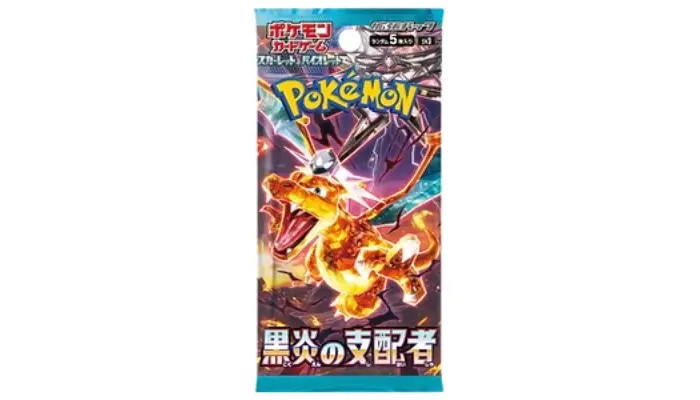
How to Spot a Fake Pokemon Go Booster Box?
When looking for a genuine Pokémon Go booster box, price is one of the biggest clues: if the deal seems too good to be true, it probably is. Be cautious of sellers using stock photos or showing only low-quality images, since legit sellers usually provide clear pictures from different angles. Check the artwork carefully; authentic boxes have vibrant colors without spelling mistakes, plus official logos like those from The Pokémon Company. Also, pay attention to the plastic wrap and seals; real boxes are tightly wrapped with visible Poké Ball logos on the film and clean seals. Inside, packs should be neatly arranged in correct quantities. Taking time to research these details helps avoid getting tricked by counterfeits.
Pricing and Seller Warning Signs
One of the quickest ways to spot a fake Pokémon Go booster box is by checking the price. If you see a box priced far below the usual market value, say a recent set listed for $40 when the typical price is $90 to $100, that’s a major red flag. Genuine booster boxes rarely sell at deep discounts, especially for popular or vintage sets. Also, pay close attention to the seller’s photos. Sellers who only provide generic or stock images instead of original, multiple high-quality pictures from different angles should be treated with caution. Real sellers usually show close-ups of the box, seals, and plastic wrap to help verify authenticity. Use reverse image search tools to see if the photos appear elsewhere online, which often means the listing is suspicious. The seller’s location matters too; many counterfeit boxes originate from regions known for bootleg products, like China. Unless the seller has a solid track record, avoid buying from these areas. Be wary of sellers claiming to have large quantities of rare or vintage boxes, as these are rarely available in bulk. Check the seller’s feedback and history: sellers who specialize in Pokémon or related collectibles tend to be more reliable, but remember, a high rating alone does not guarantee genuine products. Lastly, watch out for vague or inconsistent product descriptions that avoid details about the box condition or origin, or sellers who pressure you to buy quickly or discourage questions about authenticity. These are often signs that the seller may not be trustworthy.
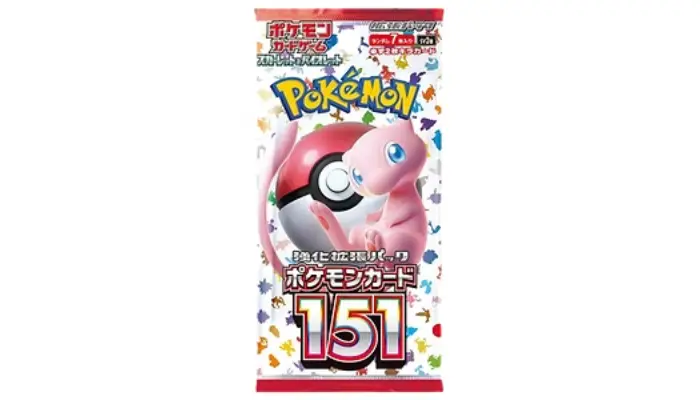
How to Check the Booster Box Artwork?
Start by closely examining the artwork colors on the booster box. Authentic boxes feature vibrant, consistent colors that match official images for that set and region. Fakes often have dull or slightly off shades that stand out when compared side-by-side with genuine boxes. Next, pay attention to the fonts used on the box. Official products use specific fonts, and counterfeit boxes frequently mix up styles or include fonts that look unnatural. Look carefully for any spelling mistakes or grammar errors in the text, these are common giveaways of a fake. Check the placement and clarity of official logos, such as The Pokémon Company and Wizards of the Coast for older sets. These logos should be sharp, correctly positioned, and not pixelated or blurry. Also, confirm that copyright and trademark symbols are present and formatted properly, as counterfeit boxes often miss or misplace these markings. Set-specific details like 1st edition stamps or language labels must be accurate and in the correct spot. Unusual box dimensions or weight differences compared to a known authentic box can also hint at a fake. Inspect the box finish too; genuine booster boxes have a smooth finish without excessive gloss or dull patches. Finally, scrutinize the edges, corners, and folds, they should be neat and clean, not sloppy or uneven. Comparing your box to trusted official images from reputable collector communities can help you spot subtle differences that indicate a counterfeit.
Inspecting Plastic Wrap and Seals
When checking a Pokémon Go booster box for authenticity, closely inspecting the plastic wrap and seals is crucial. Genuine boxes are wrapped tightly in thick, soft plastic that feels substantial, not loose, thin, or crackly. Run your fingers over the wrap to detect a slight texture or matte finish typical of official packaging; counterfeit wraps often appear glossy or cheap. Look carefully for subtle Poké Ball logos printed repeatedly on the plastic; missing or blurry logos are a strong sign of a fake or resealed box. The seal should be clean, centered, and firmly attached without any lifted edges or cuts. If you notice wrinkles, tears, or signs that the wrap can be peeled off easily, the box may have been opened and resealed. Official wraps usually include printed logos or copyright info that matches the set’s era, so verify these details against known authentic examples. While a few very rare boxes might not have plastic wrap, these exceptions are limited and should be verified thoroughly before purchase. Finally, ensure the wrap’s tightness is consistent across the entire box, uneven wrapping often points to tampering or repackaging efforts.
Look Inside: Pack Arrangement Matters
When you open a Pokémon Go booster box, the way the packs are arranged inside can tell you a lot about its authenticity. Genuine boxes have all booster packs neatly aligned, facing forward and standing upright. This orderly placement reflects the factory packaging process and is a key sign of a real box. Always count the packs to make sure the number matches the official count for that set, any missing or extra packs are a red flag. Check for unusual gaps or irregular pack sizes, which could mean someone repackaged the box or inserted fake packs. Authentic boxes also feature intact internal dividers and compartments that hold packs securely; damaged or mismatched dividers suggest tampering. Look carefully for any foreign objects or odd packing materials inside, as counterfeiters sometimes stuff boxes to mimic weight or fill space. Packs should be consistent in size, shape, and wrapper quality throughout the box. Signs of resealing like glue marks, torn cardboard, or uneven internal printing color are cause for suspicion. The interior color and print should match official boxes exactly, counterfeits often overlook these details. Lastly, the box’s weight can help: a genuine box packed with the correct number of authentic booster packs will feel solid and consistent, unlike empty or fake versions that might feel light or uneven. Paying attention to these details inside the box can save collectors from costly mistakes.
Examining Booster Packs and Wrappers
When checking booster packs inside a Pokémon Go booster box, start by feeling the wrapper. Genuine packs use thick, durable foil that resists tearing and feels substantial. Fake packs often have thinner, flimsier wrappers that tear easily or feel overly smooth or matte, which is a common sign of counterfeit materials. Next, look closely at the colors and artwork on the wrapper. Authentic packs feature bright, sharp prints with vibrant colors and detailed designs matching official images from that set and region. Blurry artwork, dull colors, or slight design variations can indicate a fake.
Pay special attention to logos and copyright information. The Pokémon Company logos should be clear, crisp, and correctly placed, with no spelling mistakes or font inconsistencies. The same goes for any small text on the wrapper, such as copyright dates or production codes. Authentic packs include a production code printed on the back, which serves as a quality control mark; absence or smudged codes are red flags.
Inspect the pack seals carefully. Genuine packs have firm and uniform seals without any signs of resealing, damage, or uneven folding. The edges of the wrapper should be clean and straight, not crimped unevenly or loosely folded. Also, check the pack’s weight and feel: authentic packs tend to have a consistent, slightly heavier feel compared to counterfeit packs that might feel light or flimsy. Comparing these details to official pictures or trusted sources can help you spot subtle differences that reveal a fake.
Spotting Fake Cards in Opened Boxes
When inspecting cards from an opened Pokémon Go booster box, start by checking the print quality. Authentic cards have vivid colors, sharp images, and crisp edges, while fakes often look dull or blurry. Feel the card’s texture: real cards have a smooth but firm cardstock with a slightly heavier feel. Fake cards may feel cheap, flimsy, or plasticky. Look closely at the backs of the cards; genuine backs have consistent color and clear text, but counterfeit cards often show off-color hues or fuzzy printing. Inspect the edges for clean, precise cuts, uneven or fuzzy edges usually mean counterfeit. Rare or special cards often feature holographic patterns or watermarks that are tough to replicate, so verify the shine is clear and consistent, not patchy or dull. Also, test the card flexibility gently; authentic cards have balanced stiffness, not too bendy, not brittle. Compare fonts and text alignment against known authentic cards, as fake cards often have misaligned text or odd fonts. Lastly, watch for any misspellings, incorrect card details, or strange symbols, which are common giveaways in counterfeit cards. Checking the distribution of card rarities within packs is another clue: genuine packs include commons, uncommons, and rares in expected ratios, whereas packs full of only commons or too many rares may be fake.
Advanced Ways to Verify Authenticity
Using a black light can reveal fluorescent inks or markings that only genuine Pokémon booster packs have, making it a simple yet effective test to spot fakes. Another reliable method is to compare detailed images of the suspect booster box or packs with verified official photos available online; even small differences in fonts, logos, or artwork sharpness can be a giveaway. Check production codes and batch numbers printed on the box and packs, these should match known valid codes for the set and be consistent across all packs. Employ a magnifying glass or jeweler’s loupe to inspect print dots, ink quality, and fine details on cards and packaging, as counterfeit products often have blurry or uneven printing. Trusted collector forums and official Pokémon product guides are invaluable resources for identifying set-specific traits and security features such as holograms or embossed seals that some booster boxes include. When possible, measure the box’s weight and dimensions precisely; authentic boxes conform closely to official specs, while fakes may be off. Also, verify the seller can provide purchase receipts or proof of authenticity, especially when buying from secondary markets. Some collector communities recommend using online verification tools or apps designed to check authenticity based on production codes or images. Lastly, stay informed about current counterfeit trends for the specific set you want to buy, as counterfeiters often update their methods, and what worked as a check last year might be less effective today.
Tips for Safe Pokémon Go Booster Box Buying
When buying a Pokémon Go booster box, it’s best to stick with authorized retailers or sellers who have a solid reputation. Avoid third-party sellers with little feedback or those who dodge detailed questions about the product’s authenticity. Don’t rush into a purchase just because the price looks good, take time to research the seller, the specific set, and market prices to avoid scams. Always ask for multiple clear, original photos of the exact box you’re buying, showing all angles and seals. Carefully check the seller’s feedback, especially on similar items, to see if past buyers had positive experiences. Be suspicious of deals that seem too good to be true since counterfeit boxes often come with unrealistically low prices. Ask the seller about where the box came from and how it has been stored to get a better sense of its condition. Use secure payment methods that offer buyer protection, such as credit cards or trusted online platforms, so you’re covered if something goes wrong. Keep records of all communications and transaction details, which could help if you need to dispute the sale. If you suspect a box is fake, report it to The Pokémon Company or the marketplace, helping protect others from counterfeit products.
- Purchase from authorized retailers or well-known trusted sellers to reduce risk.
- Avoid third-party sellers with limited reputation or who refuse to answer detailed questions about authenticity.
- Do not rush into impulse purchases; take time to research the box, seller, and set details.
- Request multiple high-quality, original photos before buying from any seller.
- Verify seller feedback carefully, focusing on past sales of similar products.
- Be cautious of deals that seem too good to be true, as these often are.
- Ask for information about the box’s origin and storage conditions.
- Use secure payment methods that offer buyer protection in case of fraud.
- Report any suspected counterfeit boxes to the Pokémon Company or marketplace operators.
- Keep records of all communications and transactions for reference in case of disputes.
Frequently Asked Questions
1. What are the common physical signs that a Pokemon Go booster box might be fake?
Look for inconsistencies in the box design such as blurry images, incorrect logos, or colors that don’t match official releases. Also, check for poor-quality materials like flimsy cardboard or mismatched seals, which often indicate a counterfeit product.
2. How can the packaging details help me determine if a Pokemon Go booster box is genuine or counterfeit?
Authentic boxes have precise and consistent packaging details including sharp printing, proper fonts, and official holographic seals or stamps. If the text is misaligned, misspelled, or the hologram is missing or cheaply replicated, the box is likely fake.
3. Are there any subtle clues in the booster box’s contents that can reveal its authenticity?
Yes, inside the box, genuine packs usually have consistent card stock quality, clear printing, and official branding on the wrappers. Fake boxes might include cards that feel different, have off colors, or contain unofficial artwork or misprints.
4. Can the weight or feel of the booster box help in spotting a counterfeit Pokemon Go product?
Sometimes the weight and texture can provide hints. Real booster boxes have a certain heft and sturdy feel due to the quality of materials used. Fake boxes might feel unusually light, flimsy, or have packaging that crinkles too easily compared to an authentic box.
5. What role do serial numbers or batch codes play in verifying the authenticity of a Pokemon Go booster box?
Official booster boxes often include serial numbers or batch codes printed clearly on the packaging. These numbers can be cross-checked with manufacturer databases or community resources. Missing, poorly printed, or inconsistent codes usually suggest the box is not authentic.
TL;DR When hunting for a genuine Pokémon Go booster box, beware of prices that seem too good to be true, and always check the seller’s photos and reputation carefully. Authentic boxes have consistent, vibrant artwork, official logos, and tight, high-quality plastic wraps with proper seals. Inside, booster packs should be neatly arranged with correct quantities and feature high-quality wrappers and production codes. If you get a chance to inspect the cards, look for sharp printing, authentic textures, and proper rarity mix. For extra caution, use black light tests and compare images online. To stay safe, buy from authorized retailers or trusted sellers, avoid impulse buys, and report any suspected fakes.