How To Maintain Your Line Painting Machines For Longevity?
Maintaining line painting machines is essential for ensuring their longevity and optimal performance. These machines are crucial for creating clear, durable lines on various surfaces, and regular upkeep can prevent costly breakdowns and replacements. Whether you operate a small business or manage a large fleet of line painting equipment, understanding the key maintenance practices is vital. From regular cleaning to proper storage and lubrication, a proactive approach can significantly enhance the efficiency and lifespan of your machines. In this guide, we will explore essential maintenance tips, common issues to watch for, and the importance of professional servicing.
Essential Maintenance For Line Painting Machines
To keep line painting machines in peak condition, regular maintenance is key. First, operators should familiarize themselves with the manufacturer’s guidelines for maintenance schedules, which typically include daily checks and periodic servicing. Routine inspections should focus on crucial components like hoses, nozzles, and pumps to identify wear and tear early. Additionally, checking the fluid levels, ensuring all parts are securely fastened, and replacing worn-out components can prevent significant issues. Investing in high-quality replacement parts and training for operators on proper usage and care can also contribute to machine longevity, ultimately ensuring consistent and reliable performance on the job.
Common Issues To Watch For With Line Painting Machines
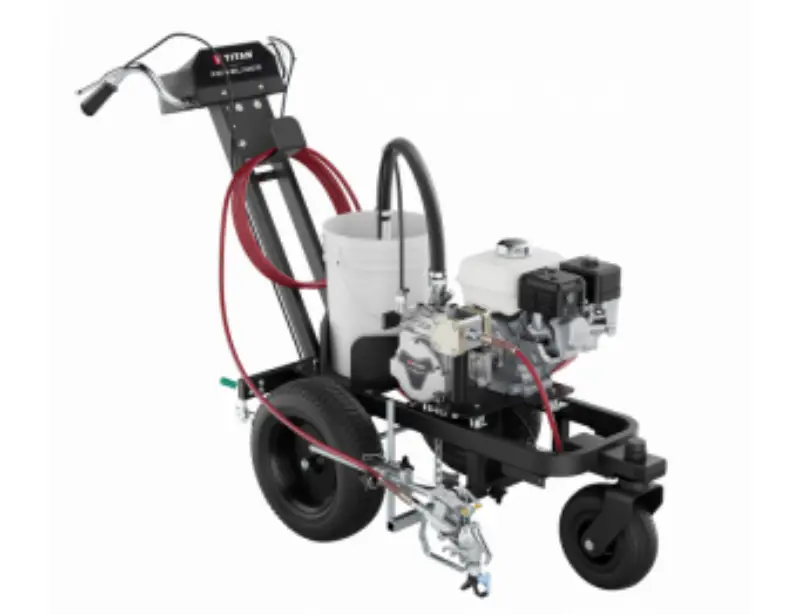
Line painting machines are susceptible to various issues that can impede their performance. Common problems include clogged nozzles, which can lead to uneven paint application, and leaks in the paint lines that waste material and can create hazardous conditions. Operators should also be aware of pump malfunctions, which can affect pressure and flow rates. Inspecting and addressing these issues promptly can save time and resources. Additionally, keeping an eye out for unusual noises or vibrations during operation can help catch problems early. By being vigilant about these common issues, operators can maintain productivity and ensure their machines operate smoothly.
Importance Of Regular Cleaning For Line Painting Machines
Regular cleaning is a crucial aspect of maintaining line painting machines. Over time, paint residue can build up in the spray tips, hoses, and tanks, leading to clogs and poor performance. Cleaning the equipment after each use prevents this buildup and ensures that the machine operates efficiently during subsequent jobs. Operators should follow a cleaning protocol that includes flushing the system with appropriate solvents and thoroughly scrubbing external surfaces to remove any splatters or residues. By prioritizing cleanliness, operators can extend the life of their machines, improve the quality of their work, and reduce the risk of costly repairs.
Lubrication Practices For Optimal Line Painting Machines Performance
Proper lubrication is essential for the smooth operation of line painting machines. Lubricating moving parts, such as bearings and pivot points, reduces friction and wear, promoting efficient operation. Operators should follow the manufacturer’s guidelines regarding lubrication frequency and the type of lubricant to use. Regularly checking and replenishing oil levels is crucial to prevent overheating and mechanical failures. Using high-quality lubricants can also enhance performance and protect against corrosion. A well-lubricated machine not only operates more smoothly but also experiences fewer breakdowns, ultimately leading to increased productivity and reduced maintenance costs.
Seasonal Maintenance Checklists For Line Painting Machines
Implementing seasonal maintenance checklists can help operators ensure that line painting machines are ready for different working conditions throughout the year. In the spring, for instance, it’s essential to inspect and clean machines thoroughly after winter storage. This may include checking for any signs of rust, damage, or frozen components. In the summer, operators should focus on ensuring that paint temperatures are suitable for optimal flow and application. Fall maintenance might include preparing machines for winter storage by draining fluids and applying protective coatings. By following a seasonal checklist, operators can adapt their maintenance practices to seasonal demands, enhancing machine longevity and performance.
Storing Line Painting Machines Properly To Extend Their Lifespan
Proper storage is a critical factor in extending the lifespan of line painting machines. When not in use, machines should be stored in a clean, dry environment to prevent rust and corrosion. Covering the machines with tarps or protective covers can shield them from dust and moisture. Additionally, operators should ensure that all residual paint is cleaned out before storage to avoid clogging and degradation of components. If storing for an extended period, it’s advisable to perform a complete maintenance check and lubricate moving parts. Proper storage practices not only protect the investment in line painting machines but also ensure they are ready for use when needed.
Understanding The Role Of Professional Servicing For Line Painting Machines
While regular maintenance is vital for line painting machines, professional servicing plays a significant role in ensuring optimal performance and longevity. Qualified technicians can provide comprehensive inspections and repairs that go beyond routine upkeep, identifying underlying issues that may not be apparent to operators. Professional servicing often includes detailed diagnostics, advanced cleaning, and replacement of specialized components. This level of care ensures that machines operate at peak efficiency, which can lead to improved work quality and reduced downtime. Investing in professional servicing can ultimately save money in the long run by preventing major repairs and extending the operational life of the machines.
Conclusion
Maintaining line painting machines for longevity involves a combination of regular maintenance, proper cleaning, lubrication, and professional servicing. By following the essential tips outlined in this guide, operators can enhance the performance and lifespan of their equipment, ultimately ensuring a higher quality of work. Awareness of common issues and proactive measures will help prevent costly breakdowns and repairs. Additionally, seasonal maintenance checklists and proper storage practices will further safeguard investments in line painting machines. By prioritizing maintenance, businesses can achieve greater efficiency, reduced operational costs, and a reliable fleet of line painting equipment.
Recourse URL:
https://roadly.ca/product-category/road-marking-supplies/line-striping-machines/