Balancing Marina Dredging Needs with Environmental Concerns
Marinas serve as vital hubs for recreational boating, commercial activities, and waterfront tourism. However, maintaining these facilities requires periodic dredging to ensure safe navigation and adequate water depth. While marina dredge operations are essential for functionality, they can pose significant environmental challenges. Balancing the need for dredging with ecological preservation requires a strategic approach that considers both economic viability and environmental sustainability.
Understanding Marina Dredging And Its Importance
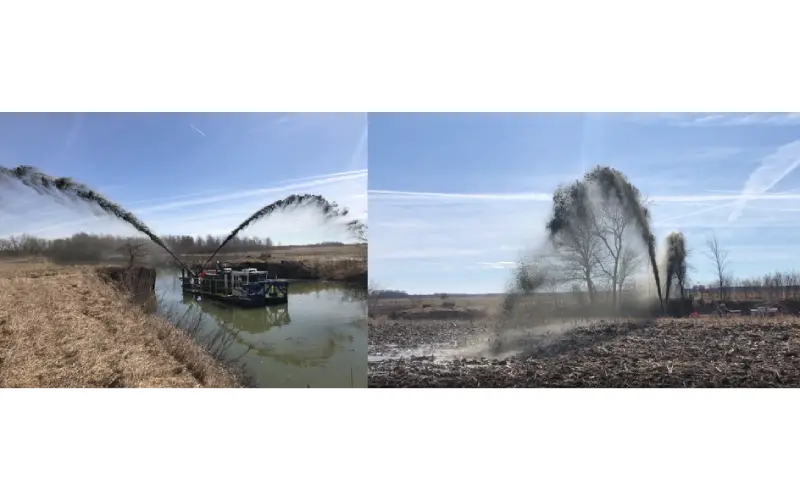
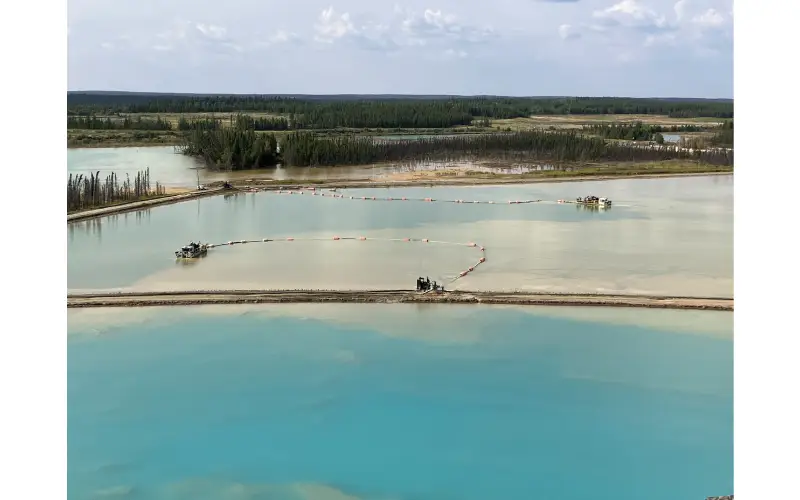
Marina dredge involves the removal of sediment, silt, and debris from harbor and marina basins to maintain navigability and prevent operational disruptions. Over time, natural sedimentation can lead to shallow waters, affecting boat access and increasing the risk of grounding. Routine dredging helps to:
- Ensure safe passage for boats
- Maintain marina capacity and infrastructure
- Support economic activities related to boating and fishing
- Prevent long-term sediment accumulation issues
Despite its benefits, marina dredge projects can disturb aquatic ecosystems, leading to water quality degradation, habitat disruption, and potential harm to marine life. Addressing these concerns is crucial for sustainable marina operations.
Environmental Concerns Associated With Marina Dredging
Marina dredging can have several ecological impacts, including:
1. Disruption of Marine Habitats
Dredging activities can disturb benthic organisms, which are essential for the aquatic food chain. The removal of sediments can alter habitats for fish, shellfish, and other marine species.
2. Water Quality Degradation
Suspended sediments released during dredging can increase turbidity, reducing light penetration and affecting photosynthesis in aquatic plants. Additionally, the release of contaminants trapped in sediments can further degrade water quality.
3. Impact on Marine Biodiversity
Noise and physical disturbances from dredging can stress marine species, leading to changes in population dynamics and migration patterns.
4. Shoreline Erosion and Alteration
Dredging can impact the stability of nearby shorelines, potentially leading to increased erosion or unintended changes in coastal landscapes.
Best Practices For Environmentally Sustainable Marina Dredging
To balance marina dredge needs with environmental sustainability, several best practices can be implemented:
1. Comprehensive Environmental Assessments
Before initiating a dredging project, conducting environmental impact assessments (EIAs) is essential. This process evaluates potential risks and allows for the development of mitigation strategies.
2. Adoption of Eco-Friendly Dredging Techniques
Several dredging methods minimize environmental impact, including:
- Hydraulic dredging: Uses water jets to remove sediments with minimal disturbance.
- Mechanical dredging: Utilizes clamshell or backhoe dredgers to reduce sediment resuspension.
- Precision dredging: Targets specific areas to minimize unnecessary sediment removal.
3. Sediment Management and Disposal Plans
Proper handling of dredged materials ensures that contaminated sediments do not re-enter the ecosystem. Options include:
- Safe relocation to designated disposal sites
- Use in land reclamation or beach nourishment
- Treatment and decontamination before reuse
4. Timing and Seasonal Considerations
Scheduling dredging activities during non-sensitive periods (e.g., outside of fish spawning seasons) minimizes disruptions to marine life.
5. Silt Curtains and Containment Measures
Using silt curtains and other containment technologies helps control sediment dispersion and protect surrounding water quality.
6. Regular Monitoring and Adaptive Management
Continuous monitoring of water quality and marine habitats during and after dredging ensures that environmental impacts remain within acceptable limits. Adaptive management strategies allow for adjustments as needed.
Regulatory Compliance And Stakeholder Collaboration
Government regulations play a crucial role in ensuring sustainable marina dredge operations. Marina managers must adhere to local, national, and international environmental laws governing dredging activities. Engaging with stakeholders including environmental organizations, regulatory bodies, and local communities fosters collaborative efforts in balancing dredging needs with ecological preservation.
Conclusion
Marina dredging is a necessary process for maintaining navigable waterways and supporting economic activities. However, its environmental impact requires careful management. By adopting sustainable dredging techniques, implementing effective sediment management plans, and complying with regulatory standards, marinas can balance operational needs with ecological responsibility. A proactive and environmentally conscious approach ensures that marinas remain functional while preserving aquatic ecosystems for future generations.