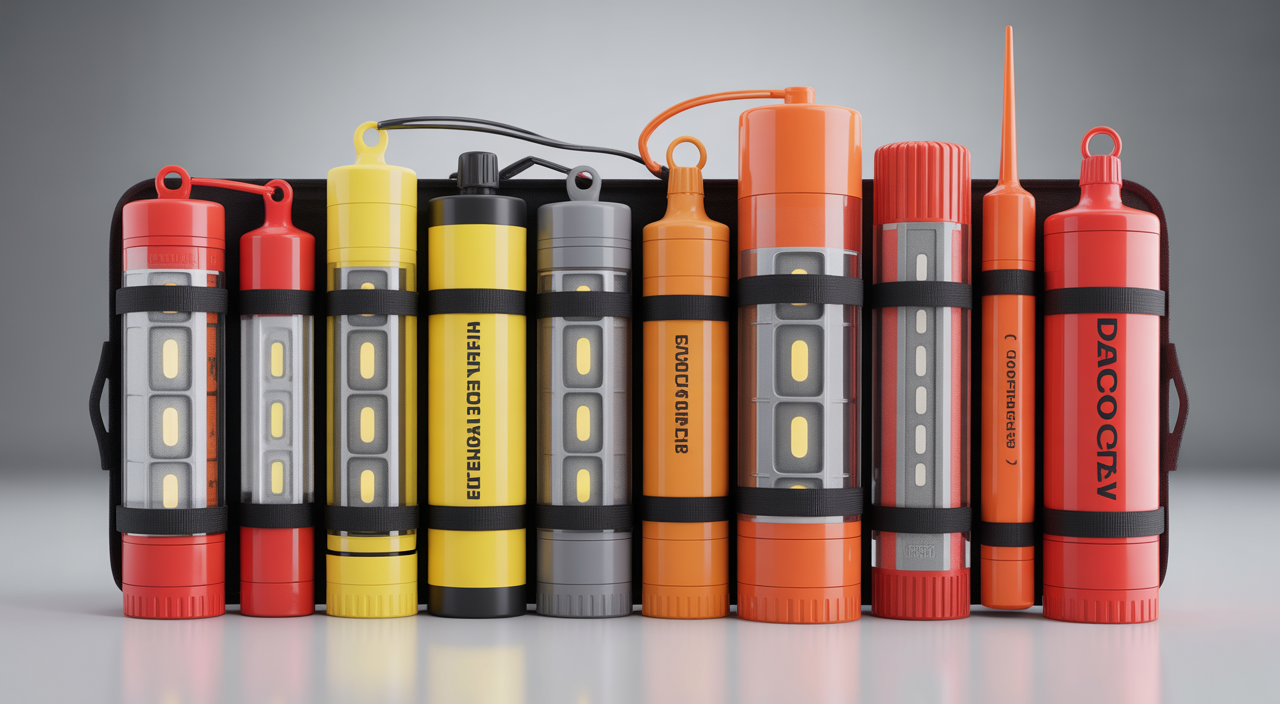
What Should You Know Before Buying Portable Flares?
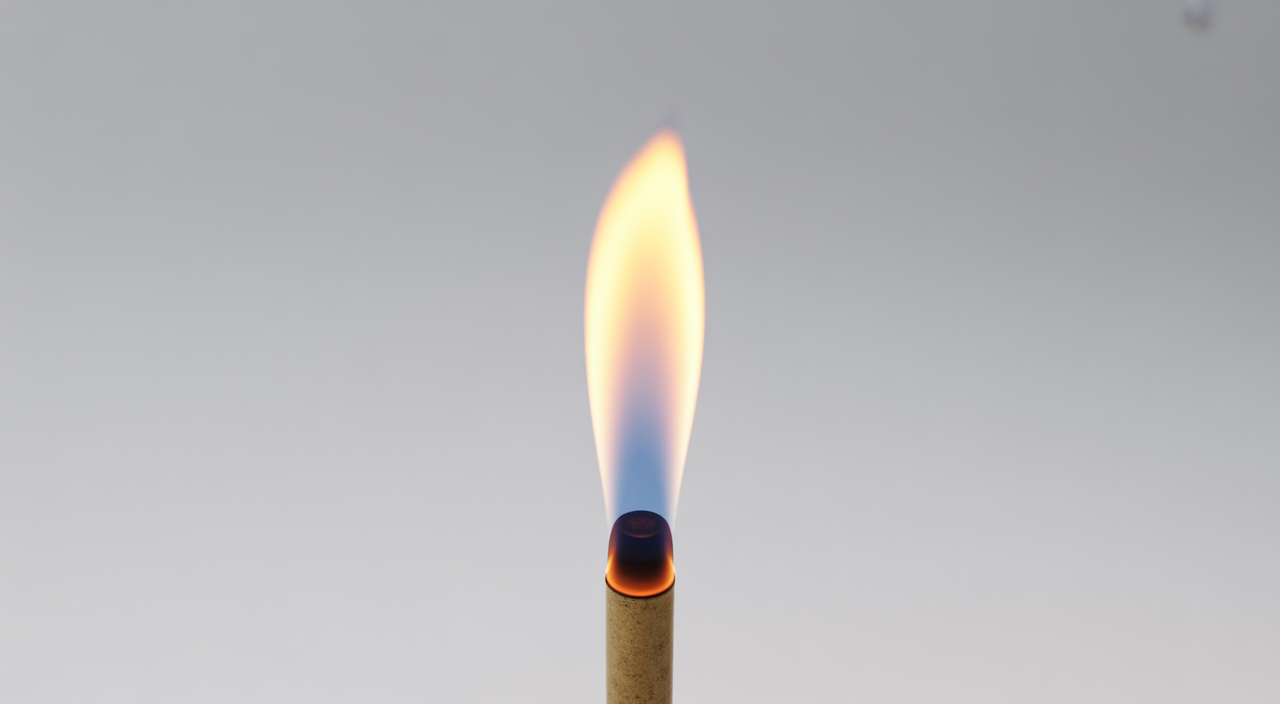
You are driving on a dark highway and your car suddenly stops. In that moment, visibility is everything. The right emergency light can protect you, your family, and other drivers. That is where good quality Portable Flares make a real difference.
Many people search quickly online and buy the first safety flare kit they see. But there are different types, price ranges, and safety rules. With a little guidance, you can choose a flare that fits your vehicle, your travel style, and your budget.
This guide walks you through the basics, compares common options, and shares simple tips to help you buy with confidence and keep your loved ones safe on the road or water.
What Are Portable Flares?
Portable flares are small, easy-to-carry devices that produce strong light or bright signals. They warn other people that there is a problem, such as a broken-down car, a boat in trouble, or a hiker needing help.
They are used in roadside emergency kits, marine distress kits, and general survival gear. For Indian travelers, they are especially useful on highways, in low-light rural areas, and during long-distance trips where help may take time to arrive.
Types of Portable Flares You Can Buy
To choose the best safety flare kit, you first need to know the main types available. Each has its own strengths.
- Chemical flare sticks – These use a burning chemical to create a very bright flame for a fixed time, usually 10 to 30 minutes.
- LED road flares – These are electronic lights, often shaped like discs, that use batteries instead of fire and can last for many hours.
- Flare gun cartridges – These are used mainly as marine flares or survival signaling devices, shooting a bright light high into the sky.
If you want a simple, low-cost option for your car, chemical roadside emergency flares work well. For families and fleet owners who want reusable gear, LED emergency flares are a smart long-term choice.
Key Features To Compare Before You Buy
Whether you shop online or in a store, look beyond the packaging and check a few simple numbers and features.
- Brightness – Often measured in lumens for LED flares. Higher lumens mean better visibility in fog, rain, or at night.
- Burn or run time – Chemical flares burn once, then you throw them away. LED flares can run 8 to 60 hours depending on battery and mode.
- Durability – Check if the casing is crush-resistant, waterproof, and heat-resistant, which is important for Indian summers.
- Size and weight – A compact highway safety flare kit is easier to keep in your glove box, bike storage, or backpack.
- Power source – For LEDs, decide between disposable batteries and rechargeable batteries. Rechargeable options may cost more upfront but save money over time.
For Indian users, it is also helpful to check if the product is resistant to dust and extreme temperatures, as many roads pass through hot, dry, and sometimes coastal areas.
Safety and Regulations in Simple Terms
In many countries, there are road and marine safety standards that define what kind of distress signals or DOT approved flares are acceptable. While rules differ by region, a few principles are universal.
- Choose flares from reliable manufacturers that list clear safety testing and certifications.
- For marine flares and other marine distress signals, ensure they meet your country’s coastal and shipping standards if you sail or fish offshore.
- Store chemical flare sticks away from heat, children, and open fire.
- Use LED options in places where traditional burning flares may not be allowed or may pose a fire risk, such as dry forest areas.
Even where the law is not very strict, following these best practices helps protect you and others and also keeps your insurance coverage smoother in case of an incident.
How To Choose the Right Flare for Your Use Case
Think about when and where you travel most. Your main situation will guide your decision.
- Daily car commute and city driving – A small LED safety flare kit with 2–3 lights is enough. It is clean, reusable, and easy to use.
- Long highway trips or night bus/taxi operations – Consider a mix of disposable roadside warning lights and LEDs. Chemical flares give instant, very bright fire; LEDs keep working for longer.
- Boating and water sports – Marine flares or flare gun alternatives that shoot light high into the sky are useful so that rescue teams can see you from far away.
- Trekking and camping – Lightweight LED emergency flares are ideal, as they do not rely on matches or lighters and work even in damp conditions.
If you run a transport or logistics business, it can help to treat flares like any other safety investment. Clear planning, as you would do for any business tool, leads to better choices. You can see similar structured thinking in guides on how to write a practical business plan for investors, where needs and budgets are mapped clearly before buying.
Budget, Mid-Range, and Premium Choices
Price should not stop you from being safe. There is a suitable option for every budget.
- Budget – Simple chemical road flares in packs of 3 or 6. Ideal as a starter kit for your car or bike.
- Mid-range – Sets of 3–6 LED road flares with magnets and multiple flash modes. Good mix of safety and cost for families.
- Premium – Professional-grade, waterproof, rechargeable LED kits and certified marine distress signals for serious travelers and fleet managers.
Think of it like building a small emergency system around your vehicle, just as you might upgrade your home comfort step by step with the help of smart AC services and home choices. Start with what you can afford and improve over time.
How To Use Portable Flares Safely
Once you buy your chosen kit, take five minutes to read the manual. Practice in a safe, open area during the day if possible.
- Park safely off the road as far as you can and turn on your hazard lights.
- Place the first flare about 3–5 metres behind your vehicle, then add more further back so drivers get early warning.
- For chemical flares, light them away from fuel or dry grass. Hold them at arm’s length and point away from your body.
- For LED flares, choose a strong flashing mode and place them on the ground or attach them with magnets to your vehicle if available.
After use, dispose of spent chemical flares in a safe way as recommended by the manufacturer, and recharge or replace batteries in LED units so they are ready for the next trip.
Care and Storage Tips
Good maintenance ensures your emergency kit actually works when needed.
- Check expiry dates of chemical flares once or twice a year.
- Keep all types of flares in a dry, closed box, away from direct sunlight.
- For LED flares, test them every few months and replace weak batteries.
- Store your kit in a place that is easy to reach, such as the glove box, front door pocket, or under-seat storage.
For Indian weather, try to keep flares out of extreme heat when parked for many hours. A shaded boot or under-seat compartment works better than the dashboard.
Why Investing in Quality Portable Flares Is Worth It
A strong brake-light flare kit or personal flare signal is a one-time purchase that can prevent crashes, reduce panic, and guide help to you faster. The peace of mind you gain on every journey is far greater than the small cost of the kit.
Whether you are a solo rider, a family driver, or managing a fleet, a reliable set of portable emergency lights turns an unexpected breakdown into a controlled situation where everyone stays calmer and safer.
FAQs About Portable Flares
Q1. Are LED portable flares safer than chemical flares?
LED flares do not use open fire, so they reduce the risk of burns and accidental fires. They are ideal near fuel leaks, dry grass, or in crowded urban areas. Chemical flares are still very useful, especially for very bright, short-term signaling, but they must be handled carefully and kept away from children.
Q2. How long do portable flares last in storage?
Most chemical flares have a shelf life of 3 to 5 years when stored correctly in a cool, dry place. LED flares can last much longer, as their main limits are battery life and physical damage. Check your kit at least once a year, test the lights, and replace any items nearing expiry.
Q3. How many flares should I keep in my car?
For a personal car, 3 to 6 flares are usually enough to create a clear warning line behind your vehicle. For larger vehicles, buses, or trucks, keeping 6 or more flares gives you flexibility for longer distances and complex road layouts.
Q4. Can portable flares be part of a wider safety kit?
Yes, they pair well with reflective triangles, a first-aid kit, a small fire extinguisher, and basic tools. Together, these items make your roadside safety kit much more complete and help you handle many different types of emergencies calmly and effectively.