
What Are Bulk Chemical Distribution Services and How Can They Help Your Business?
When your plant or lab depends on a steady flow of raw materials, delays can hurt production and profits. That is where bulk chemical distribution services come in. They connect global chemical producers with users like you through safe, efficient and fully compliant logistics.
This guide breaks down how these services work, what to look for in a partner and how to choose the right distributor for long-term success. The focus is on practical, real-world tips that a procurement head, plant engineer or R&D manager can apply right away.
For Indian investors and decision-makers, this knowledge is especially useful as local demand for specialty and industrial chemicals continues to grow across manufacturing, pharma, agrochemicals and automotive sectors.
What Are Bulk Chemical Distribution Services?
Bulk chemical distribution means buying chemicals in large quantities from producers and delivering them to customers in the form and packaging they need. It is more than simple transport. A strong distributor acts like an extension of your own supply chain team.
Key parts of industrial chemicals distribution include:
- Sourcing: Finding the right producers across regions, locking in quality and price.
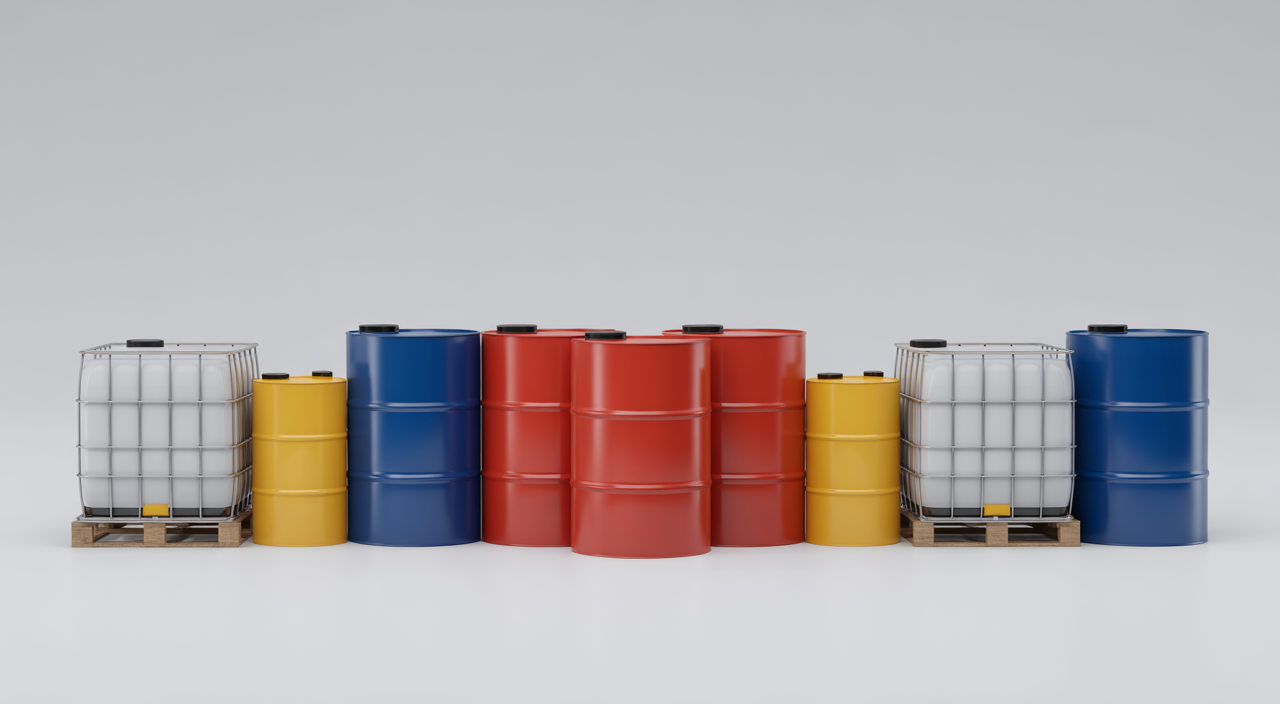
- Warehousing: Storing chemicals safely in bulk tanks, drums or IBCs with strict safety rules.
- Logistics: Moving materials on time using suitable tankers, containers or smaller packs.
- Value-added services: Custom blending, dilution, repackaging and labeling to match your process.
In short, a good distributor takes care of supply chain complexity so you can focus on production and innovation.
Core Benefits of Working With a Trusted Distributor
Choosing the right partner for bulk chemicals can transform how your plant runs. Here are the main benefits.
Supply Chain Reliability and Just-in-Time Delivery
Many plants now prefer just-in-time delivery instead of holding huge inventories. This approach saves working capital but increases the need for a dependable distributor.
- Multiple sourcing options reduce the risk of stockouts.
- Local storage hubs mean faster response to sudden demand.
- Route planning and tracking support predictable lead times.
For Indian manufacturers who serve export markets, steady supply of compliant raw materials can be the difference between winning and losing annual contracts.
Regulatory Compliance and Safety Assurance
Chemical rules are getting stricter worldwide. In addition to Indian standards, many customers must also meet norms similar to global frameworks like those used in advanced markets. A strong distributor helps you stay ahead.
- Access to updated safety data sheets and technical documentation.
- Clear traceability from source to delivery, batch by batch.
- Adherence to safety and environment guidelines in storage and transport.
Look for signals like ISO-certified quality systems and documented safety training. These show that the distributor treats compliance as a daily habit, not just a marketing line.
Cost Optimisation and Better Pricing
Buying through a distributor can be more economical than importing directly, especially at mid-range volumes.
- Distributors pool demand from many customers and negotiate better bulk rates.
- They optimise freight, customs and local transport costs.
- They help you match pack size and delivery frequency to your actual usage.
For Indian investors planning new facilities, building a cost structure that includes an efficient chemical logistics partner can improve project viability and ROI.
Value-Added Services: Blending, Repackaging and Technical Support
Today, buyers expect more than simple supply. Good bulk chemical distributors often provide:
- Custom blending: Preparing ready-to-use mixes so your team spends less time in pre-processing.
- Repackaging: Converting from large tanks to drums or smaller containers to match your dosing systems.
- Technical guidance: Application support, stability advice and help with alternates when raw materials change.
These services help you run leaner operations and reduce internal handling risks.
Digital Ordering and Inventory Visibility
Modern bulk chemical distribution services are moving to digital platforms. For a busy procurement manager, this is a major plus.
- Online portals for placing and tracking orders.
- Inventory views that show stock in regional warehouses.
- Usage analytics to help plan demand and avoid urgent last-minute purchases.
If your company already uses business management tools, you may also want to explore how they connect with supplier systems. Resources on making better use of business management software can support smoother integration across your supply chain.
What Indian Investors Should Look for in a Distributor
When you evaluate potential partners, keep both current volume and future expansion in mind. Here are practical points to check.
- Network strength: Presence of multiple storage locations near major industrial zones.
- Product portfolio: Ability to support basic commodities as well as specialty chemicals for niche applications.
- Certifications: Quality and safety credentials, and proven experience with international customers.
- Safety record: Written safety procedures, training and emergency response plans.
- Digital maturity: Online ordering, tracking and transparent documentation.
For large, long-lived assets such as chemical plants or storage terminals, it helps to think like an infrastructure investor. Topics like selecting the right supporting construction materials will matter just as much as choosing the right supplier.
How a Strong Distributor Reduces Risk
Every investor wants predictable returns. In chemical-intensive industries, risk often comes from supply interruptions, quality issues or regulatory mistakes. A capable distributor helps reduce all three.
- Supply risk: Backup sourcing and flexible logistics reduce downtime.
- Quality risk: Batch testing and traceability protect your finished product reputation.
- Compliance risk: Documentation and training make audits smoother and faster.
This risk reduction is not always visible on a balance sheet, but it shows up in higher customer trust, fewer penalties and more stable margins over time.
Trends Shaping the Future of Chemical Distribution
The sector is changing fast. Some key trends that investors and plant leaders should track include:
- Sustainability: More focus on safer formulations, lower emissions logistics and responsible waste handling.
- Digitalisation: Better demand forecasting, route planning and inventory control using data analytics.
- Specialisation: Growth of niche distributors who focus on specific industries like pharma, electronics or coatings.
Players who adapt quickly to these trends will be more attractive partners for long-term supply agreements and strategic alliances.
Conclusion: Turning Supply into a Competitive Advantage
When selected well, bulk chemical distribution services do more than just deliver raw materials. They keep your production steady, protect your compliance standing and free up capital for growth.
For Indian investors and business leaders, partnering with a reliable, tech-savvy and safety-focused distributor can turn the chemical supply chain into a real competitive edge. As you plan your next project or expansion, treat your choice of distributor as a strategic decision, not just a routine vendor selection.
FAQs
Q1. How are bulk chemicals usually packaged for industrial customers?
Bulk chemicals can arrive in road tankers, ISO containers, large storage tanks, IBCs, drums or smaller cans, depending on the material and your usage pattern. A good distributor will study your process and suggest a mix of bulk and smaller packs that keeps handling safe while controlling costs.
Q2. What information should I ask from a chemical distributor before signing a contract?
Request product specifications, safety data sheets, details of quality and safety certifications, typical lead times, storage conditions, emergency procedures and sample contracts. Also ask for references from similar customers in your industry so you can judge real-world performance, not just promises.