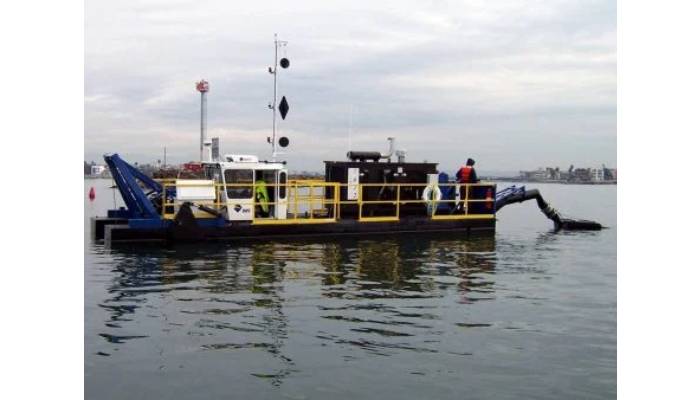
What Is a Self-Propelled Dredge and How Can It Boost Your Project ROI?
A self-propelled dredge is a powerful machine that can sail to the jobsite on its own and start removing silt, sand, and sediment without needing tugs or extra support boats. For Indian contractors and project owners, this can mean faster mobilization, fewer permissions for support vessels, and tighter control over dredging costs. Modern units like the Self-Propelled Dredge in the market are designed to be compact yet very productive.
In simple terms, a self-propelled cutter suction dredge combines three things in one hull. It has its own engine for movement, a strong pump to move slurry, and a cutter head to break up compact material. This integrated design makes it very attractive for port maintenance, river deepening, and mining ponds across India.
For investors and project managers, the real question is not only “what is it” but “how much value can it unlock.” When you understand the working, key specifications, and cost drivers, it becomes easier to justify the capital expense and negotiate better contracts.
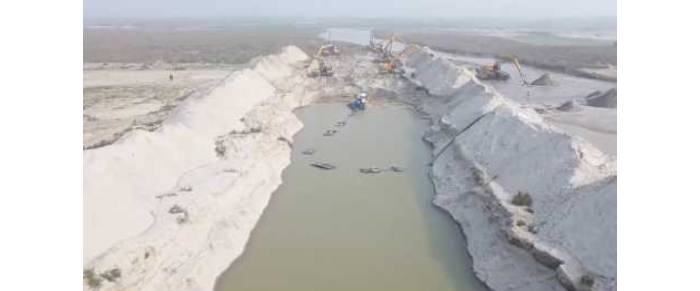
How a Self-Propelled Cutter Suction Dredge Works
At the heart of a self-propelled dredge is the cutter suction system. A rotating cutter head loosens soil, sand, or silt on the riverbed or seabed. The loosened material mixes with water to form slurry, which is then sucked into a large pipe by a powerful dredge pump.
The slurry travels through the suction pipe and discharge pipeline to a disposal area, reclamation site, or geo-textile bags. The cutter head diameter, pump size, and suction pipe layout decide how much material you can move per hour and how far you can pump.
Unlike a trailing suction hopper dredger that sails out to sea with the material stored in its hull, a self-propelled cutter suction unit stays more or less in one working zone and pumps material through pipelines. This makes it highly suitable for rivers, lakes, reservoirs, and tight port basins where precise cutting is more important than bulk transport over long distances.
Key Components and Technical Specs to Watch
When you evaluate a self-propelled dredge, focus on a few critical components. These affect both performance and long-term returns on investment.
- Power and horsepower: Higher horsepower on the main engine and auxiliary units allows deeper dredging and tougher materials, but it also affects fuel use.
- Dredge pump capacity: This is usually expressed in cubic meters per hour. It directly impacts your daily production and your cost per cubic meter or cubic yard.
- Cutter torque and speed: Strong torque and adjustable speed help the cutter head handle clay, compact sand, and mixed sediments without frequent stoppages.
- Spud gantry system: Spuds are vertical piles that anchor the dredge in place. A smart gantry system allows quick repositioning and smooth side-stepping, which boosts productivity.
For Indian investors who may be comparing quotes from global suppliers, it is useful to list these specs side by side. You can then match them with your site conditions like sediment type, required depth, and length of discharge pipeline.
Where a Self-Propelled Dredge Fits Best
These dredges shine in projects that need accuracy, frequent repositioning, and relatively quick mobilization.
- Port and harbor maintenance: Keeping approach channels and berths at design depth with minimal disruption to traffic.
- River restoration: Removing silt to improve flood capacity, navigation, and drinking water intakes in rivers and canals.
- Mining ponds and industrial lagoons: Recovering valuable minerals or cleaning process ponds in power plants and factories.
Because the vessel is self-propelled, you reduce the need for separate towing contracts and pilots for every move. Over several seasons, this can bring a strong cumulative saving on mobilization and demobilization costs.
Cost and ROI: Looking Beyond the Purchase Price
To decide if a self-propelled dredge suits your budget, think in terms of cost per cubic meter (or cubic yard) of material removed. This is far more useful than the sticker price alone.
Your basic cost formula can include:
- Fuel cost per hour × hours worked per day
- Operator and crew wages per day
- Routine maintenance cost averaged per day
- Finance cost or lease payment per day
Divide the total daily cost by the expected daily production in cubic meters. That gives you a clear number you can compare with alternative equipment like rental hydraulic dredges or traditional excavator and barge setups.
Indian investors can also build a simple spreadsheet to model different scenarios: higher diesel prices, longer pipelines, or tougher sediment. This type of activity is similar to building a business plan for any capital-intensive venture, as discussed in guides on writing a business plan for an investor.
Compliance, Environment, and Best Practices
Dredging projects in India now face closer scrutiny from environmental bodies and local communities. A modern self-propelled dredge can help you meet these expectations when used with good operating practices.
- Emissions: Newer engines with better fuel efficiency support cleaner operations and lower smoke, which is helpful in sensitive zones.
- Sediment management: Controlling the cutter head speed and pump rate reduces turbidity and keeps resuspended sediment within limits.
- Noise and safety: Enclosed engine rooms, proper silencers, and clear safety protocols protect both crew and nearby residents.
Preparing a simple compliance checklist before tendering can set you apart in competitive bids. This can include monitoring plans for water quality, noise, and silt curtains where required.
Maintenance and Spare Parts Planning
Even the best dredge will lose money if it stands idle. A clear maintenance schedule and spare parts plan protects your uptime and keeps your cash flows smooth.
- Daily checks: Oil levels, filters, cutter head wear, and pump seals.
- Weekly checks: Spud system inspection, hull integrity, hydraulic hoses.
- Quarterly checks: Detailed pump inspection, engine servicing as per hours run, and calibration of monitoring instruments.
Many owners create a simple calendar, attach it in the control cabin, and log each activity. This habit reduces unexpected failures and increases resale value later. It also aligns well with broader efficiency ideas covered in resources on using business management software to track equipment.
Tips for Indian Investors Before You Buy
Before signing any contract, take a structured approach:
- Match dredge capacity to your expected volume and timeline, not just the “maximum” specs in brochures.
- Check after-sales support, training, and availability of local service partners.
- Run at least two ROI scenarios: one optimistic and one conservative, so you are ready for variations in fuel price or project delays.
- Ask for performance data from similar projects in Asia or Indian conditions with monsoon cycles and variable river flows.
With these steps, a self-propelled dredge can move from being a “big expense” to a controlled, profitable investment that pays back over multiple contracts.
FAQs
Q1. How is a self-propelled dredge different from a trailing suction hopper dredger?
A self-propelled cutter suction dredge stays anchored in one area, cuts material with a rotating cutter, and pumps slurry through a pipeline to shore. A trailing suction hopper dredger sails slowly along a route, sucks up material into its own hopper, then sails away to dispose or reclaim it. The first is usually better for rivers, lakes, and tight ports, while the second suits large offshore or coastal projects.
Q2. What size of dredge pump and horsepower do I need for Indian river projects?
This depends on sediment type, required depth, and pumping distance. For medium silt and sand with moderate pipeline length, a mid-range pump and engine can often deliver strong production with manageable fuel use. If your project involves hard clay, very long pipelines, or deep cuts, you may need higher horsepower and a stronger cutter head, even if it costs more upfront.
Q3. Can a self-propelled dredge be moved easily between multiple sites in India?
Yes, that is one of its main advantages. Many models are compact enough to be transported by road in sections or can sail under their own power between nearby coastal locations. Planning permits, draft limits, and local port rules in advance will help you shift from one job to the next with minimal idle days.