Are Automated Dredges the Future of Waterway Maintenance?
Dealing with unwanted sediment or sludge in waterways, ponds, or industrial lagoons can be a big challenge. Traditional dredging methods often require a lot of people and can be risky. They might even be harmful to the environment. But what if there was a better way?
Enter the automated dredge. This modern technology is changing how we approach sediment removal. It promises more efficiency, greater safety, and improved precision. These systems are quickly becoming the go-to solution for many difficult projects around the world.
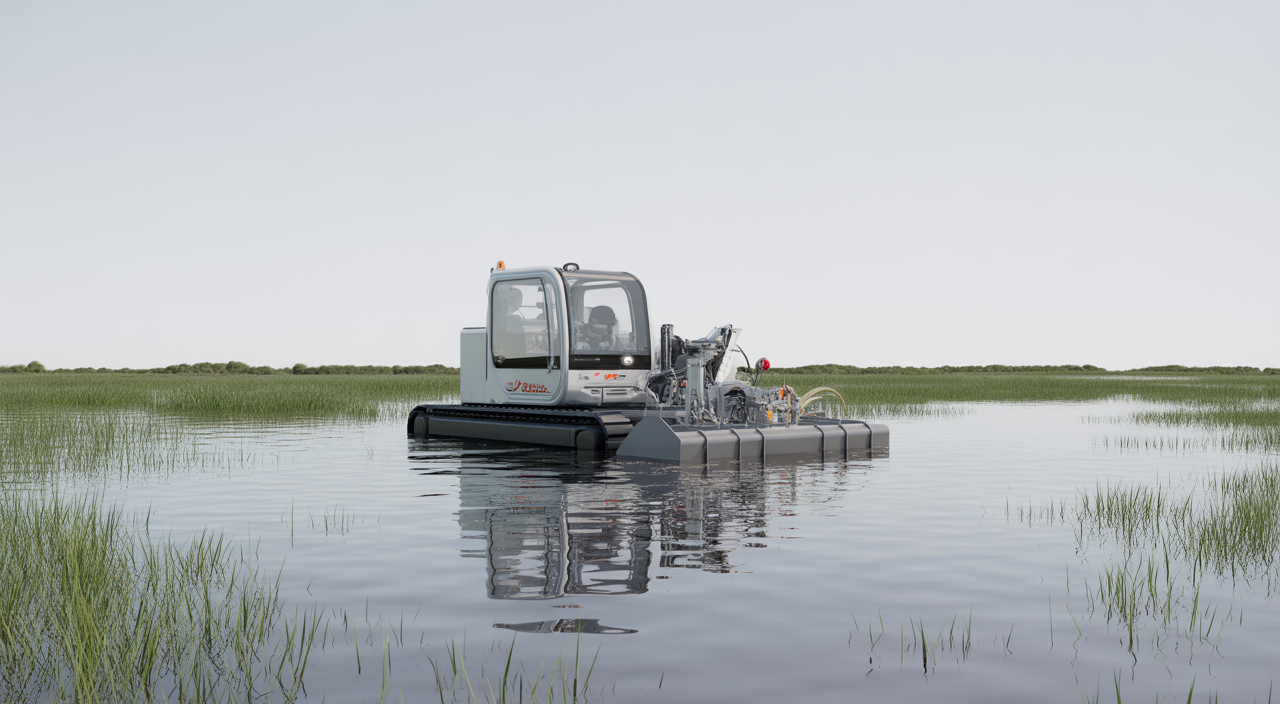
What Exactly is an Automated Dredge?
This specialized equipment is designed to remove sand, mud, sludge, or other underwater materials with minimal human oversight. Unlike older, manual dredges, these machines use advanced technology to perform tasks more independently. They can be controlled remotely or follow pre-programmed instructions.
There’s a small difference between remote-controlled, automated, and autonomous systems. A remote-controlled dredge is operated by a person from a distance, often using a control panel and video feeds. An automated system takes this a step further. It can perform specific, pre-programmed tasks on its own, with an operator monitoring its progress. Autonomous systems are the most advanced. They can learn, adapt, and make decisions with very little human help.
The Smart Technology Inside
These modern dredges rely on several key technologies. GPS systems and sonar mapping allow them to navigate precisely and understand the underwater landscape. They know exactly where to dredge and to what depth. Advanced sensors detect material density, water depth, and even obstacles. This prevents damage and ensures efficient operation. Intuitive control interfaces and specialized software make it easy for operators to manage these complex machines.
Why Electric Power Makes a Big Difference
Many automated dredges, especially smaller, highly efficient models, are now electric. This is a game-changer. Electric dredges produce zero emissions during operation. This makes them far better for the environment than diesel-powered machines. They are also much quieter, which is important for working in populated areas or sensitive ecosystems. Plus, using electricity often means lower running costs over time, as you save on fuel and some maintenance.
The Big Benefits: Why Automated Dredges are a Smart Choice
Choosing an automated system brings many advantages. These benefits often lead to better project outcomes and significant savings.
- Enhanced Safety: One of the biggest wins is safety. Automated systems remove people from dangerous work zones. This means operators don’t have to be near toxic sludge, unstable banks, or other hazardous materials. It greatly reduces the risk of accidents and injuries.
- Increased Efficiency and Productivity: These machines can work continuously without needing breaks. They perform tasks with consistent accuracy. This means projects get done faster and more material is removed in less time. Reduced human error also leads to more optimized dredging operations.
- Superior Precision and Accuracy: Automated dredges can target specific areas and depths very accurately. They avoid over-dredging, which can damage liners in ponds or other underwater infrastructure. Automated depth control ensures the job is done exactly as planned.
- Environmental Stewardship: Especially with electric models, the environmental footprint is much smaller. Zero emissions and reduced noise help protect local wildlife and air quality. The precision also means less disturbance to the surrounding ecosystem.
- Cost Savings and Better Return on Investment: While the initial investment might seem higher, the long-term savings are significant. You save on labor, fuel (with electric models), and maintenance. Faster project completion means you can take on more jobs. This leads to a strong return on your investment over time.
Where Do Automated Dredges Shine? Real-World Applications
Automated dredging systems are versatile. They are used in many different settings where traditional methods fall short.
Industrial and Mining Operations
In industries like mining, power generation, or chemical processing, facilities often have tailings ponds, settling lagoons, or industrial sumps. These areas collect dangerous or abrasive materials like fly ash, chemical sludge, or mineral waste. These systems can safely and efficiently remove these materials. This helps maintain plant efficiency and ensures environmental compliance without exposing workers to risk.
Municipal and Environmental Projects
Many cities and towns rely on ponds and lagoons for wastewater treatment or stormwater management. These can accumulate a lot of sludge and sediment. These systems are perfect for cleaning wastewater treatment ponds, sewage lagoons, and stormwater retention basins. They are also ideal for dewatering projects or restoring sensitive wetlands, where minimal disturbance is key.
Commercial and Recreational Areas
Maintaining water depth in marinas, canals, and golf course ponds is crucial. Sediment buildup can make these areas unusable. Such equipment efficiently clears these waterways, keeping them open and functional. They are also great for lake and canal restoration projects, helping to improve water quality and recreational value.
Consider an example: an industrial plant needed to clear out a large settling pond filled with hazardous waste. Using a traditional dredge would have required a large crew working in dangerous conditions, with high safety risks. By using an automated system made with durable materials for industrial equipment, the plant completed the clean-up safely and quickly. The remote operation meant no personnel were exposed to the toxic materials, and the precision dredging ensured all waste was removed without damaging the pond’s lining. This saved the company a lot of money and time while keeping workers safe.
Choosing the Right Automated Dredge for Your Needs
When considering an automated dredging solution, it’s important to look at a few things:
- Project Scale and Material Type: How big is the area you need to dredge? What kind of material are you removing? Some dredges are better for heavy, abrasive materials, while others excel at fine sludge.
- Level of Automation: Do you need a simple remote-controlled unit, or something with more pre-programmed capabilities? Your project’s complexity will guide this choice.
- Power Source: Electric models offer environmental and cost benefits. However, some large-scale projects might still require the raw power of hydraulic or diesel systems.
- Safety Features: Always check for advanced safety features, certifications, and reliable remote control systems.
- Support and Training: Make sure the supplier offers good after-sales support and training for your operators.
Embrace the Future of Sediment Removal
Automated dredging is more than just a trend; it’s a necessary evolution in waterway management. These systems offer a powerful combination of enhanced safety, incredible efficiency, and unmatched precision. They also contribute positively to environmental goals, especially the electric models.
By choosing an automated dredge, you are investing in a future where dredging operations are cleaner, safer, and more productive. It’s a smart move for any organization looking to manage their waterways effectively. If you’re considering this advanced technology, remember that there are flexible financing options that can help make this valuable investment possible.
Frequently Asked Questions About Automated Dredges
Q1: Are automated dredges completely independent, or do they still need human operators?
Most of these machines still require human oversight. While they can perform many tasks based on pre-programmed instructions or remote commands, an operator typically monitors the process. This ensures safety, handles unexpected situations, and optimizes performance. Fully autonomous dredges, which require minimal human intervention, are still an evolving technology.
Q2: Can automated dredges work in all types of environments and with all materials?
These advanced systems are very versatile and can work in many challenging environments, including hazardous industrial ponds, shallow marinas, and wastewater lagoons. They can handle a wide range of materials like sand, silt, mud, and various types of sludge. However, the specific capabilities depend on the dredge’s design, pump type, and power. It’s important to choose a model suited for your specific project’s conditions and materials.