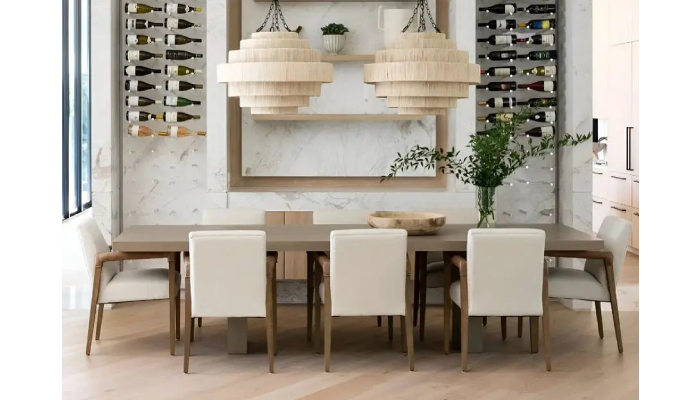
How to Style Your Office with Eichholtz Furniture?
To effectively style your office with luxury furniture, it’s crucial to start with core choices like voluminous seating and robust desks that offer both comfort and authority. Opting for dark color themes can evoke a sophisticated atmosphere, accented by subtle pops of muted hues. Incorporating accent lighting highlights key areas while adding depth, complemented by the rich textures of polished wood and smooth glass. Personal touches matter too; displaying cultural artifacts inspires creativity while bespoke accessories maintain cohesion. Lastly, ensure functionality with smart organizational systems and dedicated work zones that maximize productivity without sacrificing elegance in design or materials used throughout the space.
1. Core Furniture Choices for Your Office
When styling your office with Eichholtz furniture in USA, the core choices you make are crucial for both aesthetics and functionality. Start with ergonomic chairs that support long hours of work, ensuring comfort while promoting good posture. It’s important to feel good while you work. Incorporating a mix of desk heights allows for both sitting and standing preferences, which can significantly improve flexibility during the workday. Opt for desks with built-in cable management systems to keep unsightly wires organized and out of sight, creating a clean and orderly look.
Modular furniture is another excellent choice, as it can be easily rearranged to adapt to changing needs or team sizes, making your office versatile. Multi-functional pieces, like coffee tables with storage, are perfect for maximizing space without sacrificing style. Remember, investing in quality over quantity is key; fewer, well-made pieces can elevate the overall look of your office.
Don’t forget to include collaborative furniture, such as round tables, to foster teamwork and communication among employees. Adding lounge areas with couches or soft seating encourages breaks and informal meetings, creating a relaxed atmosphere that can boost creativity. Incorporate a few statement pieces, like a designer chair or unique desk, to serve as conversation starters and focal points, making your office feel more inviting. Lastly, choose furniture that reflects your brand’s identity and values, aligning the workspace with your company culture, which can enhance employee morale and pride in the workspace.
2. Selecting the Right Color Themes
Choosing the right color themes can dramatically transform your office environment. Start by using a color wheel to identify complementary colors, which can create a harmonious and inviting atmosphere. Consider incorporating neutral tones as a base for your walls and larger furniture pieces. This grounding palette allows you to introduce bolder colors through accessories or artwork without overwhelming the space.
The psychological impact of colors also plays a significant role in shaping mood and productivity. For instance, blue tones are known for their calming effects, while yellows can inspire creativity. By thoughtfully selecting colors that resonate with your work style, you can enhance your daily productivity.
Another effective strategy is to use color blocking techniques to define different areas within your office. This can help create a sense of organization and flow, making it easier to transition between tasks. You might also experiment with various shades of the same color to add depth and interest, ensuring the look remains cohesive yet dynamic.
Textures can be added through paint or wallpaper with subtle patterns, maintaining a sophisticated aesthetic while breaking the monotony of flat surfaces. Additionally, choosing colors that reflect the natural environment outside can foster a connection with nature, promoting a sense of well-being.
Metallic accents, like gold or silver finishes, can introduce a touch of luxury and elegance to your space. These details can complement your chosen colors beautifully. Also, make sure to utilize natural light, as it can enhance the colors in your office, making the space feel more open and airy.
Lastly, consider the seasonal changes when selecting your color palette. This allows you to easily update your space, keeping it fresh and aligned with the current mood of the season.
- Use a color wheel to choose complementary colors that create a harmonious and inviting atmosphere.
- Incorporate neutral tones as a base and add bolder colors through accessories or artwork to keep the space grounded.
- Consider the psychological impact of colors, like blue for calmness or yellow for creativity, to influence mood and productivity.
- Use color blocking techniques to define different areas within the office, enhancing organization and flow.
- Experiment with different shades of the same color to create depth and interest without overwhelming the space.
- Apply paint or wallpaper with subtle patterns to add texture while maintaining a sophisticated look.
- Choose colors that reflect the natural environment outside, promoting a connection with nature and well-being.
3. Enhancing Lighting and Texture
To create a welcoming office space, focus on a layered lighting approach that combines ambient, task, and accent lighting. This mix ensures your workspace is well-lit for various activities while also adding warmth. Dimmable light fixtures are a smart investment, allowing you to adjust brightness levels according to your needs throughout the day. Incorporating natural light is equally important, so if possible, use large windows or skylights to brighten the room, which can significantly enhance mood and energy levels.
Consider using textured lampshades or unique light fixtures to soften the light and introduce visual interest. Mixing materials with different finishes, such as matte, glossy, or textured surfaces, can create a rich and dynamic look that draws the eye. Area rugs can define spaces within your office and add warmth, while also improving acoustics, making the environment more comfortable.
Bringing in plants not only adds a touch of natural texture but also helps improve air quality, contributing to a healthier workspace. Decorative mirrors can reflect light and create a sense of openness, making the space feel larger. Additionally, wall art featuring varied textures, such as canvas or metal, can further enhance the visual appeal of your office. Finally, don’t forget to experiment with different lighting temperatures, warm or cool light can greatly influence the overall mood of your workspace.
4. Personalizing Your Office Space
To truly make your office feel like your own, consider displaying personal achievements or awards. This not only creates a sense of pride but also serves as a source of inspiration during your workday. Family photos or cherished mementos can evoke positive memories, transforming your workspace into a welcoming environment. Adding a vision board or inspiration wall can further ignite creativity, showcasing your goals and aspirations in a visually engaging way.
A unique atmosphere can also be achieved by incorporating a signature scent, whether it’s through essential oils or candles. This personal touch can make your office feel more inviting and reflective of your preferences. Furthermore, a personal library or bookshelf filled with your favorite books not only enhances the style of your office but also provides a source of inspiration during breaks.
Custom artwork or prints that resonate with your taste can make your space distinctly yours. Additionally, displaying travel souvenirs or unique finds can spark interesting conversations with visitors. Don’t forget to add a personal plant or a colorful flower arrangement to breathe life into the office. Finally, choose furniture and décor that aligns with your style, whether modern, classic, or eclectic. Periodically rotating personal items or décor can keep the space feeling fresh and engaging.
5. Efficient Functional Elements
To create a well-organized office space, implementing efficient functional elements is key. Start by establishing a centralized filing system that is easily accessible, which encourages a tidy environment and fosters organization. Labeled storage bins or baskets can help categorize items, reducing clutter and making it simpler to find what you need. Incorporating a whiteboard or chalkboard can be beneficial for brainstorming sessions and jotting down quick notes, enhancing collaboration among team members.
Consider mobile storage solutions that can be moved between different areas as work needs change, providing flexibility in your workspace. A shared resource area stocked with essential supplies like paper and pens can streamline everyday tasks, promoting a collaborative atmosphere. Additionally, leveraging technology to automate repetitive tasks, such as using smart assistants or scheduling software, can save time and increase productivity.
Wall-mounted shelves are excellent for freeing up floor space while offering storage for books and supplies, contributing to a clean and organized look. Implementing a clean desk policy encourages regular decluttering, which promotes focus and efficiency. Also, designating a comfortable lounge area for relaxation and informal meetings can significantly improve overall productivity. Finally, incorporating productivity tools like planners or digital boards aids in keeping track of tasks and deadlines, ensuring that your office not only looks good but functions effectively.
6. Choosing High-Quality Décor
Selecting high-quality décor can greatly enhance your office’s overall aesthetic and functionality. Begin by choosing art pieces from local artists, which not only supports your community but also adds a unique character to your space. Incorporating decorative elements made from sustainable materials aligns your office with eco-friendly practices, showing a commitment to the environment. Opt for timeless décor that won’t go out of style, ensuring your design remains relevant for years. Investing in quality lighting fixtures serves both functional and decorative purposes, creating a welcoming atmosphere.
Consider incorporating sculptural pieces or installations to create visual interest, as these can also serve as conversation starters during meetings. Utilize decorative trays or bowls to organize smaller items while enhancing the overall look. When selecting wall art, ensure it complements your office’s color palette and theme for a cohesive appearance. Incorporate luxurious textiles like throw pillows or blankets to introduce comfort and warmth into the workspace.
High-quality prints or photographs that resonate with personal or company values can inspire creativity and motivate your team. Lastly, curate a collection of decorative books on shelves, combining aesthetics with knowledge and inspiration, making your office not just a workspace but a source of inspiration.
7. Integrating Technology Seamlessly
To create a modern and functional office space, consider furniture that incorporates built-in technology features. For instance, selecting desks with charging ports or wireless charging pads can greatly enhance convenience. Additionally, smart lighting systems that can be managed through mobile apps not only improve usability but also contribute to energy efficiency.
A well-designed office can benefit from sound systems that blend seamlessly into the décor while delivering high-quality audio for meetings or presentations. Video conferencing technology should be integrated effortlessly into the office layout, eliminating clutter and ensuring functionality.
To maintain a tidy appearance, use cable organizers that keep wires and cables out of sight. Screens that can be hidden or retracted when not in use help maintain a clean aesthetic, making the space look more organized.
Incorporating interactive whiteboards or digital displays can enhance collaboration and engagement during team meetings, making brainstorming sessions more productive. Consider noise-canceling technology to reduce distractions in open office environments, allowing employees to focus better.
Smart thermostats and air quality monitors can also be beneficial, ensuring a comfortable working environment. Finally, it is crucial that all technology is user-friendly and accessible, promoting ease of use for everyone in the office.
8. Creating a Cohesive Workspace
To create a cohesive workspace, start by establishing a consistent design theme throughout the office. This can be achieved by using similar colors, materials, and styles that align with your brand identity. For example, if your brand emphasizes sophistication, consider a color palette of deep browns and blacks, complemented by pops of muted colors through accents. It’s important to ensure that all furniture and décor choices reflect your core values, avoiding any clashes in style or color.
Next, think about the flow of the workspace. The arrangement of furniture should promote easy movement and interaction among employees. Incorporating elements of biophilic design, such as natural light and greenery, can enhance harmony in the office. For instance, placing plants near windows not only brightens the space but also improves air quality, contributing to overall well-being.
Utilizing a unifying element, like a specific color or material, helps tie different areas of the office together. This could be a signature shade appearing in various pieces of furniture or décor. Pay attention to the balance between open and private spaces, creating environments that cater to different tasks, from collaborative brainstorming to focused work.
Make sure all functional elements, such as storage solutions and technology, are seamlessly integrated into the design. A clean look is essential for maintaining a professional atmosphere. Involving employees in the design process can also foster a sense of ownership, ensuring the workspace meets their needs and preferences. Finally, it’s wise to regularly reassess and update the space as necessary, keeping the environment cohesive and functional over time.
Frequently Asked Questions
What are the main styles of Eichholtz furniture for an office?
Eichholtz furniture offers a variety of styles such as classic, contemporary, and industrial. Each style has unique designs that can help create a specific atmosphere in your office.
How can I choose the right Eichholtz pieces for my office layout?
Consider your office layout and the space you have. Measure your area and think about how you want the flow to be. Choose Eichholtz furniture that fits both your style and the function you need.
Are there specific colors that work best with Eichholtz furniture?
Eichholtz furniture often features neutral colors like whites, grays, and browns. You can complement these with accents in bolder colors, but stick to a balanced palette to keep harmony in your space.
What elements should I consider when styling my office with Eichholtz furniture?
Think about comfort, functionality, and aesthetics. Mixing different types of furniture, like a stylish desk with a cozy chair, can enhance both the look and usability of your office.
How can I accessorize my office after adding Eichholtz furniture?
Accessorize with art pieces, plants, and stylish lighting. Choose accessories that match the furniture’s style and enhance the overall ambiance of your office.
TL;DR To style your office with Eichholtz furniture, prioritize core pieces like leather seating and robust desks, select a sophisticated color palette with deep tones and subtle accents, and enhance the space with varied textures and effective lighting. Personalize your office with cultural artifacts and bespoke accessories while ensuring functionality with smart storage solutions. Integrate technology gracefully, embrace natural materials like marble, and create a cohesive atmosphere that balances aesthetics and productivity.