Long Term Value of Marina Dredging for Sustainable Boating
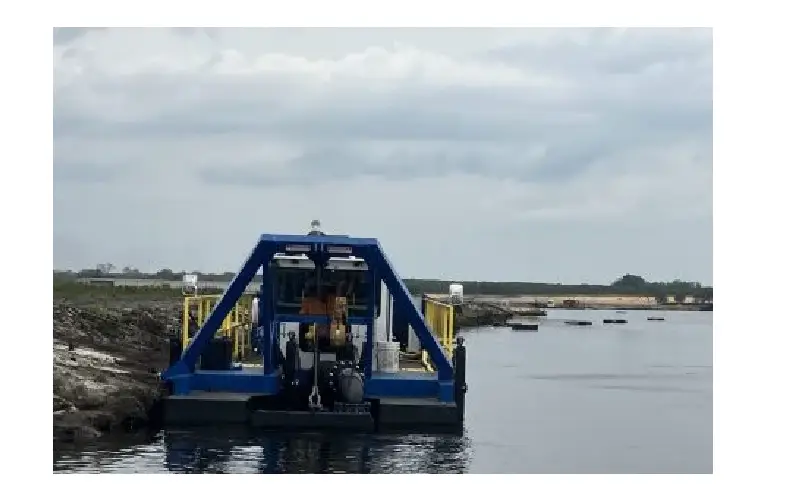
Marina dredging is often seen as a necessary task for maintaining the functionality and safety of boating infrastructure. However, it also plays a critical role in ensuring the long-term sustainability of boating environments. The practice of marina dredging involves the removal of silt, debris, and sediment from the marina floor to maintain water depth and prevent accumulation that could obstruct boats. Beyond its immediate benefits, marina dredging contributes to sustainable boating in various ways, preserving the ecological health of the marina, reducing costs over time, and ensuring that the marina remains a safe and accessible space for boaters. This article delves into the long-term value of marina dredging for sustainable boating.
Enhancing Navigation And Access
One of the primary reasons for marina dredging is to enhance navigation and ensure that boaters have safe access to the water. Over time, sediment and organic matter naturally accumulate in marinas, leading to shallower depths. This sediment can cause boats to scrape the bottom, especially during low tide, which can damage the boats or even result in them being stuck. Regular dredging ensures that the marina maintains an optimal depth, preventing costly boat damages and providing safe and easy access for boaters. By maintaining proper water depths, marina dredging allows boaters to enjoy a smooth, unhindered experience without the fear of running aground. This contributes to the longevity of boats and enhances the overall boating experience, encouraging continued use of the marina. Sustainable boating relies on such practices to ensure the marina dredge remains accessible throughout the year.
Preserving Ecological Health
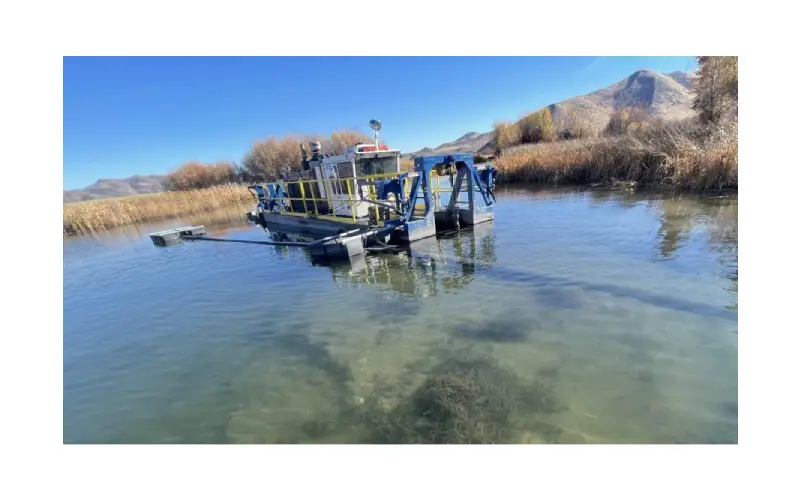
The environmental impact of marina dredging is often a concern for many, particularly in regions with sensitive ecosystems. However, when conducted responsibly and with proper planning, marina dredging can help preserve the ecological health of the waterway. The process of dredging helps to remove not only the silt but also pollutants that may have accumulated over time. This includes harmful substances such as oils, chemicals, and debris, which can degrade water quality and harm marine life. By removing these pollutants, marina dredging contributes to cleaner water, which supports a healthier marine ecosystem. Moreover, removing excess sediment reduces the chances of eutrophication, a process where nutrient overload causes the depletion of oxygen in the water, leading to the death of aquatic life. Regular dredging, therefore, can maintain the quality of water and support the long-term health of fish and other marine species. This aligns with the broader goal of sustainable boating, which relies on clean and healthy water bodies to ensure continued boating activity and ecosystem balance.
Boosting Marina Longevity And Reducing Maintenance Costs
Investing in marina dredging is a cost-effective long-term strategy. While the upfront costs of dredging can be significant, the benefits outweigh these expenses over time. Regular dredging helps to prevent more severe sediment accumulation that can cause deeper, more expensive dredging projects in the future. In fact, by maintaining optimal water depths, marinas can avoid the costs associated with repairing or replacing damaged boat infrastructure and preventing long-term obstructions in the waterways. A well-maintained marina requires less frequent and costly repairs, which reduces ongoing maintenance expenses. Furthermore, dredging prevents the need for frequent modifications to marina layouts, ensuring that the boating infrastructure remains stable and functional for many years. Marinas that invest in regular dredging avoid the bigger financial burden of major dredging operations, contributing to the sustainable management of the marina and ensuring that resources are allocated effectively.
Supporting Local Economy And Boating Industry
Marinas are often vital hubs for local economies, supporting a wide range of businesses from boat sales and rentals to tourism and local waterfront dining. Ensuring that the marina is deep enough to accommodate a variety of boat sizes, from small sailboats to large yachts, directly influences the success of these businesses. By facilitating access for boats of all sizes, marina dredging enables businesses in the area to operate effectively and meet the needs of a diverse customer base. Additionally, by creating a sustainable and attractive marina, communities can benefit from increased tourism and events, such as sailing regattas and boat shows. A well-maintained, accessible marina draws in boating enthusiasts, which boosts the local economy and supports businesses that rely on the water.In essence, marina dredging contributes to the long-term sustainability of the boating industry by promoting local economic growth, job creation, and tourism.
Promoting Sustainable Boating Practices
Marina dredging is not just about maintaining accessibility and functionality; it also plays a role in promoting more sustainable boating practices. As marinas become more eco-conscious, they are increasingly using dredging techniques that minimize environmental impact and are aligned with sustainable development principles. For instance, some dredging operations focus on the use of more environmentally friendly dredging equipment that reduces fuel consumption and minimizes emissions. Additionally, sediment removal is sometimes combined with habitat restoration efforts, such as creating artificial reefs or restoring wetland areas, to mitigate the impact of the dredging process. By maintaining healthy waterways and ecosystems through sustainable dredging practices, marinas help foster a culture of responsible boating. This supports the broader movement toward eco-friendly boating practices, including the use of electric boats, low-emission fuel alternatives, and environmentally safe boat cleaning products.
Improving Boater Safety And Reducing Risks
Safety is a critical concern in any boating environment, and marina dredging directly addresses many of the risks that boaters face. Shallow, sediment-filled areas in marinas can pose significant hazards, including the risk of propeller damage, collisions with submerged obstacles, and difficulty navigating the marina during low tides. Regular dredging ensures that boaters can navigate safely, even in challenging weather conditions. Additionally, by maintaining adequate water depths, marinas reduce the risk of accidents and injuries related to boats becoming stuck or being damaged by submerged debris. This contributes to a safer environment, making the marina a more attractive and reliable destination for boating enthusiasts. By ensuring safe and accessible waterways, marina dredging encourages more people to enjoy boating, contributing to the overall sustainability of the boating culture.
Navigating Challenges With Technological Advancements
The process of marina dredging has evolved significantly with advancements in technology. Modern dredging techniques, such as environmental dredging, have made it possible to carry out dredging operations with minimal impact on the surrounding ecosystems. Using GPS-controlled dredging equipment and advanced sediment management techniques ensures that only the necessary amount of material is removed, reducing environmental disruption. Technological advancements also allow for more precise dredging, enabling marinas to focus on specific problem areas, which reduces costs and minimizes disturbance. By incorporating these innovations, marinas can implement sustainable dredging practices that provide long-term benefits without sacrificing environmental integrity.
Conclusion
The value of marina dredging goes far beyond ensuring the immediate functionality of the marina. It plays an essential role in the long-term sustainability of boating environments by preserving ecological health, reducing maintenance costs, improving safety, and supporting the local economy. By adopting sustainable dredging practices, marinas can help to safeguard the health of waterways, promote eco-friendly boating, and provide an accessible and enjoyable environment for boaters. Incorporating marina dredging as a long-term strategy ensures the viability of marinas for generations to come, supporting sustainable boating and the broader goal of preserving our waterways for future use.