Why Is Deep Root Tree Fertilization Important For Tree Health?
Deep root tree fertilization is of paramount importance when it comes to maintaining and enhancing the health of trees. Trees, as vital components of our ecosystem, require essential nutrients to thrive and resist environmental stressors. This process not only bolsters the overall health of trees but also promotes their longevity, resilience, and aesthetic appeal. Healthy trees are integral to the ecological balance, air quality, and the overall well-being of our communities. As such, the practice of deep root tree fertilization takes on an even greater significance as it directly contributes to these essential aspects of our environment.
The Role Of Nutrients In Tree Health
To comprehend the significance of deep root tree fertilization, one must first acknowledge the fundamental role of nutrients in tree health. Trees, like all living organisms, rely on a variety of essential elements to support their growth and vitality. These nutrients include macronutrients like nitrogen, phosphorus, and potassium, as well as micronutrients such as iron, manganese, and zinc. Each nutrient plays a unique and irreplaceable role in processes like photosynthesis, root development, and disease resistance. A deficiency in any of these nutrients can lead to a wide range of health issues, ultimately diminishing the tree’s overall well-being. This intricate relationship between trees and nutrients underscores the vital importance of deep root tree fertilization.

Understanding Deep Root Tree Fertilization
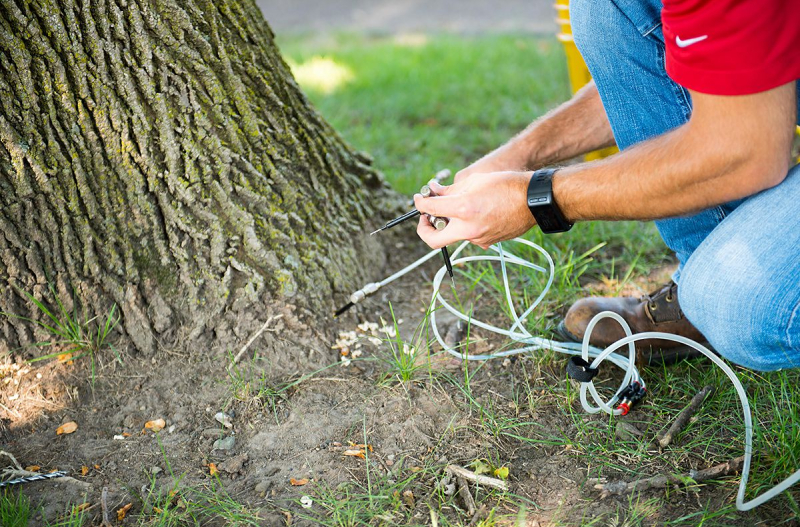
Deep root tree fertilization is a specialized method of delivering nutrients directly to a tree’s root system. This process involves injecting a nutrient-rich solution into the soil, reaching the critical root zone where the tree can readily absorb the nourishment. Deep root fertilization provides several advantages over surface fertilization methods, as it ensures that the nutrients are delivered precisely where they are needed most. This technique minimizes nutrient runoff and wastage while maximizing the tree’s ability to access and utilize the essential elements. In essence, deep root fertilization is a precision-oriented approach, addressing the specific needs of each tree to facilitate its growth and health.
Benefits Of Deep Root Fertilization For Trees
Deep root tree fertilization offers a multitude of benefits for tree health, with far-reaching implications. First and foremost, it provides trees with a balanced and targeted nutrient supply, addressing any deficiencies and optimizing their growth potential. This results in stronger, more robust trees that can better withstand stressors such as pests, diseases, and adverse environmental conditions. Moreover, deep root fertilization enhances the development of a healthy and extensive root system, which is crucial for anchoring the tree and improving its ability to extract water and nutrients from the soil. This, in turn, leads to improved drought resistance and overall vitality. By ensuring the health of individual trees, deep root fertilization contributes to the health of the entire ecosystem, benefiting both the environment and human communities.
Promoting Strong Roots For Healthy Trees
The health of a tree is intimately linked to the strength and vitality of its root system. Deep root fertilization fosters the development of a deep and extensive root network. A well-developed root system ensures better access to water and nutrients, helping trees endure prolonged periods of drought and environmental challenges. Furthermore, strong roots enhance a tree’s stability, reducing the risk of uprooting during storms or adverse weather conditions. Overall, the enhanced root development resulting from deep root fertilization is critical to maintaining the long-term health and stability of trees. This not only promotes the longevity of individual trees but also ensures the safety of the surrounding environment, mitigating potential risks associated with tree damage.
Factors Affecting Tree Health And Longevity
Several factors can significantly impact the health and longevity of trees, making deep root fertilization a valuable tool in mitigating these challenges. Urban environments, for instance, often present trees with limited access to nutrients due to compacted soil, restricted root space, and competition with other plants. Trees in these settings can benefit greatly from deep root fertilization to supplement the nutrient deficiencies they may face. Similarly, trees subjected to soil pollution or harsh climatic conditions can use this method to boost their resilience and overall health. Deep root fertilization, thus, acts as a vital intervention, counteracting the adverse effects of environmental challenges and enhancing the health and lifespan of trees in a variety of conditions.
Seasonal Considerations For Tree Fertilization
The timing of deep root fertilization is critical to its effectiveness. Spring and fall are generally considered optimal seasons for this practice. Spring fertilization supports new growth, while fall applications help trees store nutrients for the winter and prepare for the following growing season. However, specific timing may vary based on the type of tree, local climate, and soil conditions. Consulting with a certified arborist or tree care professional is advisable to determine the best timing for deep root tree fertilization in a particular region. It is important to recognize that a tailored approach to the timing of deep root fertilization ensures that trees receive the right nutrients at the right time, aligning with their unique growth patterns and environmental conditions.
Sustainability And Environmental Benefits Of Deep Root Fertilization
Deep root tree fertilization is not only beneficial for tree health but also for the environment. By directly delivering nutrients to the root zone, it minimizes nutrient runoff and leaching, reducing the potential for water pollution. This eco-friendly approach promotes responsible tree care and aligns with sustainable practices. Healthy trees, in turn, contribute to improved air quality, carbon sequestration, and a balanced ecosystem, benefitting both humans and wildlife. By choosing deep root fertilization, we not only nurture healthier trees but also contribute to the well-being of our planet. This approach underscores the interconnectedness of all living things and the importance of sustainable practices that extend beyond individual trees to benefit our broader environment.
Conclusion
Deep root tree fertilization is a vital practice that has far-reaching implications for tree health, ecological balance, and the well-being of communities. By providing essential nutrients directly to the root system, this method supports robust growth, root development, and overall vitality. Strong and healthy trees, in turn, are better equipped to resist environmental stressors, ensuring their longevity and aesthetic appeal. Additionally, deep root fertilization is a sustainable practice that minimizes nutrient runoff and pollution, contributing to a healthier ecosystem. To maximize the benefits of deep root tree fertilization, it is advisable to consult with certified arborists or tree care professionals who can assess the specific needs of trees and recommend a tailored fertilization plan,